All Products
 New Arrivals ❤️
 About Us
 Contact Us
 Track order
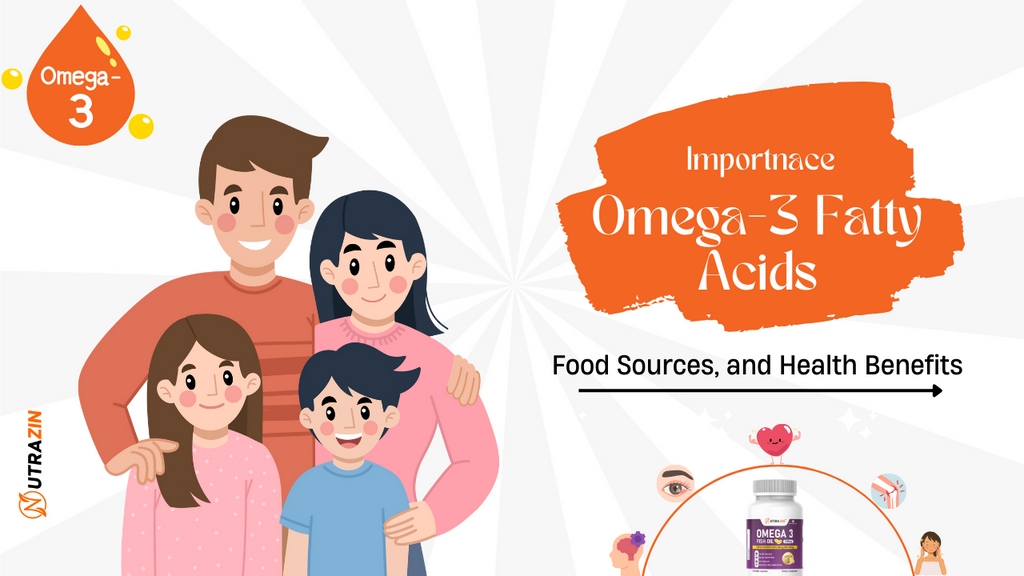
Omega-3 Fatty Acids: Importance, Food Sources, and Health Benefits
Introduction
Omega-3 fatty acids are essential fats that the body cannot produce alone. They play a crucial role in overall health, supporting brain function, heart health, and reducing inflammation. Including Omega-3 in your diet can prevent and manage various health conditions, making it an essential nutrient for a balanced diet.
Types of Omega-3 Fatty Acids
There are three main types of Omega-3 fatty acids:
- 1. Eicosatetraenoic Acid (EPA) Primarily found in fish and marine sources, EPA helps reduce inflammation and support heart health.
- 2. Docosahexaenoic Acid (DHA) is essential for brain development and cognitive function. DHA is also found in fatty fish.
- 3. Alpha-linolenic Acid (ALA) Found in plant-based sources, ALA can be converted into EPA and DHA in small amounts by the body.
Food Sources of Omega-3 Fatty Acids
Animal-Based Sources:
- Fatty fish (salmon, mackerel, sardines, tuna, herring)
- Cod liver oil
- Shellfish (shrimp, oysters)
- Pasture-raised eggs
- Grass-fed beef
Plant-Based Sources:
- Flaxseeds and flaxseed oil
- Chia seeds
- Walnuts
- Hemp seeds
- Algal oil (derived from algae, a great vegan alternative)
- Soybeans and tofu
Health Benefits of Omega-3 Fatty Acids

1. Heart Health
- Lowers triglycerides
- Reduces blood pressure
- Prevents plaque buildup in arteries
- Decreases the risk of stroke and heart attack
2. Brain Health and Cognitive Function
- Improves memory and cognitive function
- Reduces the risk of Alzheimer’s and dementia
- Supports mental health by reducing anxiety and depression
3. Joint Health and Inflammation Reduction
- Helps alleviate symptoms of rheumatoid arthritis
- Reduces joint stiffness and pain
- Lowers overall inflammation in the body
4. Eye Health
- DHA is essential for retinal function
- Helps prevent macular degeneration
- Reduces the risk of dry eye syndrome
5. Pregnancy and Child Development
- Supports fetal brain and eye development
- Reduces the risk of premature birth
- Improves cognitive development in infants
6. Skin and Hair Health
- Keeps skin hydrated and prevents premature ageing
- Reduces acne and eczema symptoms
- Strengthens hair and promotes growth
7. Weight Management and Metabolism
- Aids in reducing fat accumulation
- Supports insulin sensitivity
- Enhances metabolic rate
Recommended Omega-3 Intake
Adults: 250–500 mg of combined EPA and DHA per day
Pregnant/Breastfeeding Women: 300–900 mg per day
Children: 50–100 mg per day (based on age and weight)
At Nutrazin, we believe that Omega-3 fatty acids are essential for a healthier, more vibrant life. These powerful nutrients support heart health, brain function, joint mobility, and glowing skip helping you feel and perform at your best daily.
To ensure optimal wellness, it’s crucial to incorporate Omega-3-rich foods like fatty fish, flaxseeds, and walnuts into your diet. However, if your daily intake falls short, high-quality Omega-3 supplements such as Nutrazin’s premium fish oil or plant-based algae oil can help bridge the gap.

-
Posted in
Best omega 3, brain health nutrition, eye health DHA, fish oil, heart health supplements, new omega 3, Nutrazin Omega 3, omega 3 benefits