All Products
 New Arrivals ❤️
 About Us
 Contact Us
 Track order
PCOS Myths Busted: What Science Actually Says
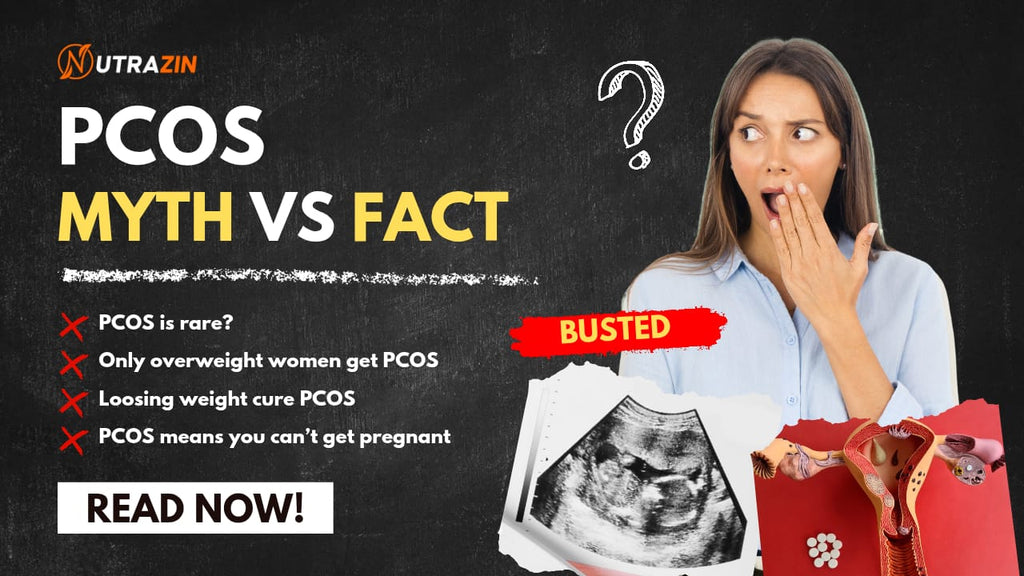
Polycystic ovary syndrome (PCOS) is often talked about but rarely understood. It is surrounded by half-truths, social stigma, and outdated advice that leaves many women confused, anxious, and blaming themselves for something that didn't happen to them. From being told that PCOS is "just a lifestyle problem" to being told that pregnancy is impossible, myths continue to shape how the condition is viewed and managed.
Science, however, tells a completely different story.
Understanding PCOS Beyond the Name
The term "polycystic ovary syndrome" itself is misleading. PCOS is not just about cysts, and it is not limited to the ovaries. It is a complex endocrine disorder involving hormones, metabolism, and even long-term heart health.
PCOS affects women differently. Some experience irregular periods, some suffer from acne or excessive hair growth, some face fertility challenges, and some may struggle with weight fluctuations or insulin resistance. There is no "PCOS type," and this diversity is what leads to myths.
Myth 1: PCOS is a rare condition
One of the biggest misconceptions is that PCOS is uncommon. In fact, PCOS is one of the most prevalent hormonal disorders in women of reproductive age worldwide. Studies suggest that, depending on diagnostic criteria and population, 5 to 15 per cent of women are affected.
Many cases remain undiagnosed because symptoms can be subtle or mistaken for normal hormonal changes. Irregular periods are often ignored, acne is treated cosmetically, and weight changes are attributed solely to lifestyle. This delays diagnosis, sometimes for years.
Myth 2: You Must Have Ovarian Cysts to Have PCOS
Despite the name, the presence of ovarian cysts is not mandatory for PCOS diagnosis. Many women with PCOS have perfectly normal ovaries on ultrasound.
PCOS is diagnosed based on a combination of factors such as irregular ovulation, elevated androgen levels (male-type hormones), and the presence of ovarian cysts. A woman may meet the diagnostic criteria even without a cyst.
The focus should therefore not be on ultrasound findings alone, but on hormonal patterns and symptoms.
Myth 3: PCOS only affects overweight women
This myth has caused significant emotional damage. Although weight gain is common in PCOS, it is not universal. Many women with PCOS are thin and yet experience irregular cycles, hormonal imbalance, and fertility problems.
Weight does not cause PCOS. Instead, PCOS can affect how the body processes insulin and stores fat, making weight management more challenging for some people. Lean PCOS exists, and dismissing symptoms based on body size often delays appropriate treatment.
Health should never be judged based on appearance alone.
Myth 4: Losing weight will cure PCOS
Weight loss is often presented as a cure for PCOS, but this is misleading. PCOS is a chronic condition with genetic, hormonal, and metabolic roots. Losing weight can help improve insulin sensitivity, regulate menstruation, and reduce some symptoms, but it does not eliminate the condition.
When weight loss is framed as a cure, women struggling to lose weight can feel like they are failing the treatment. The real goal should be lasting health improvement, not perfectionism or extreme dieting.
Myth 5: PCOS means you can't get pregnant
This is one of the most fear-inducing myths, and it is not true. While PCOS can make ovulation irregular, it doesn't mean pregnancy is impossible.
Many women with PCOS get pregnant naturally. Others may need medical help, lifestyle adjustments, or ovulation-inducing treatments. With the right treatment, pregnancy outcomes are often very positive.
Myth 6: Birth control pills are the only treatment
Hormonal contraceptives are usually prescribed to regulate menstruation and reduce symptoms such as acne or excessive hair growth. Although effective for some people, they are not the only option, nor are they mandatory.
PCOS treatment may include nutritional strategies, physical activity consistent with hormone balance, insulin-sensitising medications, stress reduction, and fertility-focused treatments when necessary. The best plan depends on individual goals, whether they include symptom relief, cycle regulation, or conceiving.
Myth 7: PCOS is only a reproductive disorder
PCOS affects more than just the menstrual cycle. This has effects on metabolic health, increasing the risk of insulin resistance, type 2 diabetes, and cholesterol imbalance. It can affect mental health, contributing to anxiety, depression, and low self-esteem due to physical symptoms and social pressure.
Long-term PCOS can also affect heart health. This is why early diagnosis and comprehensive treatment are so important.
Myth 8: Supplements and detoxes can fix PCOS
The Internet is full of promises that claim to "reverse" PCOS with a single supplement, detox drink, or herbal remedy. Although some supplements may support specific deficiencies or symptoms, no miracle product will cure PCOS.
Unregulated supplements can be ineffective or even harmful if taken without medical guidance. Evidence-based care focuses on consistent lifestyle habits, medical supervision, and realistic expectations.
How is PCOS actually diagnosed?
A proper diagnosis involves a detailed medical history, evaluation of menstrual patterns, hormone testing, and sometimes an ultrasound. No single test alone confirms PCOS. Diagnosis is based on patterns, not isolated symptoms.
This is why self-diagnosis based on social media checklists can be misleading. Professional evaluation ensures accurate understanding and appropriate care.
Living with PCOS: What really helps
Managing PCOS effectively means shifting the focus from blame to balance. Balanced nutrition that supports insulin sensitivity, activity that reduces stress rather than exhausting the body, adequate sleep, and mental well-being all play important roles.
Emotional support is equally important. PCOS can affect self-esteem, relationships, and self-image. A compassionate, informed approach makes a measurable difference in quality of life.
The big truth about PCOS
PCOS is not your fault. This is not due to laziness, lack of willpower, or bad choices. It is a medical condition influenced by genetics, hormones, and environment.
Understanding the science behind PCOS replaces fear with clarity and shame with self-respect. When the myths are dispelled, women are better able to make informed decisions and advocate for their health.

Final thoughts
PCOS does not define your worth, your femininity, or your future. With accurate information, proper care, and realistic expectations, it is entirely possible to live a healthy and fulfilling life with PCOS.
The most powerful step is not to pursue a cure, but to understand the condition clearly and manage it with care.

-
Posted in
lean PCOS, PCOS and fertility, PCOS diagnosis, PCOS facts, PCOS hormone imbalance, PCOS myths, women hormonal health