All Products
 New Arrivals ❤️
 About Us
 Contact Us
 Track order
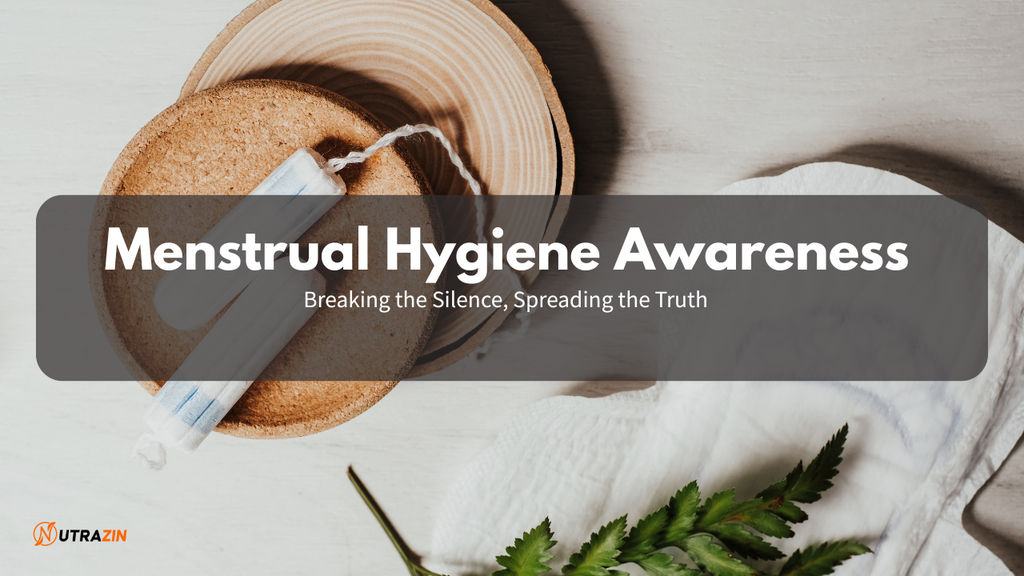
Menstrual Hygiene Awareness: Breaking the Silence, Spreading the Truth
Introduction
Menstruation is a natural biological process experienced by half the world’s population. Yet, menstrual hygiene remains a neglected subject, wrapped in stigma, misinformation, and silence, especially in many developing countries.
Promoting menstrual hygiene awareness isn’t just about physical health; it’s also about dignity, education, and equality.
Why Menstrual Hygiene Matters
Proper menstrual hygiene is essential for:
- – Preventing infections (e.g., UTIs, bacterial vaginosis)
- – Ensuring comfort and confidence during periods
- – Supporting school attendance and workplace productivity
- – Promoting gender equality and empowerment

Common Challenges Women Face
1. Lack of Awareness Many girls learn about menstruation only after their first period — often through embarrassment and fear.
2. Limited Access to Products Pads, tampons, and menstrual cups are either unaffordable or unavailable in many rural areas.
3. Taboos and Myths Menstruating women are often considered “impure,” barred from kitchens, temples, and even school in some cultures.
4. Inadequate Sanitation. Lack of clean toilets, water, and disposal systems makes managing periods difficult and unsafe.
Best Practices for Menstrual Hygiene
- – Use clean sanitary products: pads, tampons, cups, or cloth (if hygienically maintained).
- – Change regularly (every 4–6 hours).
- – Wash hands before and after changing.
- – Properly dispose of used materials (eco-friendly methods if possible).
- – Maintain personal hygiene with regular bathing and gentle cleaning.
Busting Common Myths
Role of Education and Awareness Schools, NGOs, health workers, and influencers must:
- – Include menstrual health in school curricula.
- – Normalise conversations around periods.
- – Distribute free or subsidised menstrual products.
- – Provide accessible washroom facilities with disposal bins.
What We Can Do as a Society
- – Break the silence: Talk openly about periods.
- – Support local initiatives that provide menstrual products in rural or underserved areas.
- – Donate to organisations promoting menstrual hygiene.
- – Involve men and boys in the conversation to end shame and stigma.

-
Posted in
hygiene awareness, menstrual awareness, menstrual health education, menstrual hygiene, menstrual myths, period care, period hygiene tips, period stigma, sanitary products, women empowerment, women health