All Products
 New Arrivals ❤️
 About Us
 Contact Us
 Track order
Heart Health & Awareness: Symptoms, Prevention, Best Foods & Supplements for a Healthy Heart
Introduction
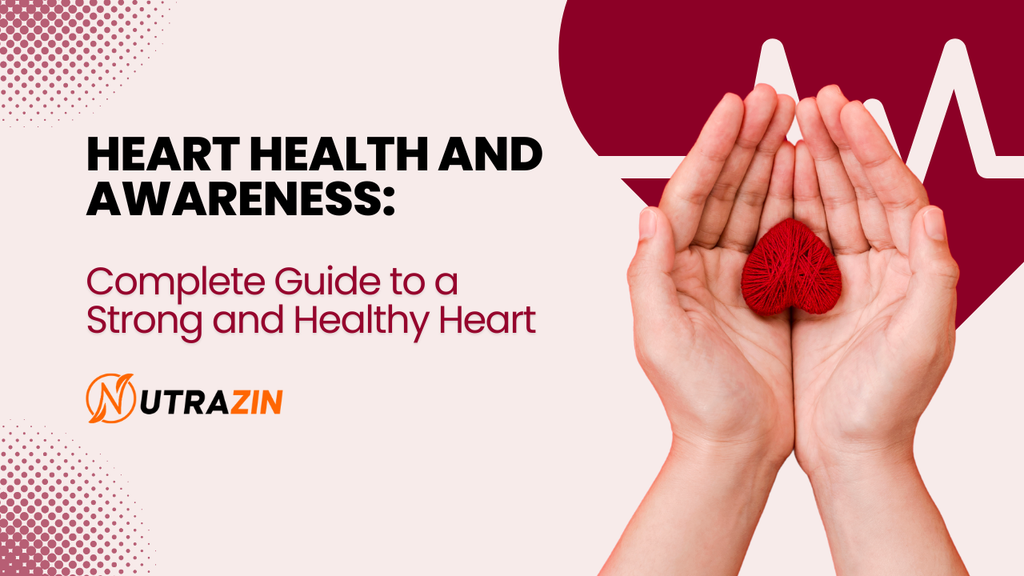
Heart health has become one of the most important health concerns in today’s world. Cardiovascular diseases are increasing rapidly due to unhealthy eating habits, physical inactivity, stress, pollution, and irregular sleep patterns. Heart Month is observed to raise awareness about protecting the heart and preventing heart-related conditions before they become serious or life-threatening.
The heart works continuously to pump blood throughout the body. Any damage to this system can affect overall health and quality of life. The good news is that most heart diseases are preventable with proper lifestyle choices, balanced nutrition, and timely supplementation.
This detailed guide covers heart disease symptoms, prevention methods, dietary recommendations, foods to avoid, and supplements that support heart health.
Understanding Heart Health
The heart is a muscular organ responsible for supplying oxygen-rich blood to the entire body. When blood vessels become narrowed or blocked due to cholesterol buildup or inflammation, the heart must work harder. Over time, this can lead to conditions such as high blood pressure, coronary artery disease, heart attack, stroke, or irregular heartbeat.
Maintaining heart health is essential for long-term wellness and longevity.
Early Symptoms of Heart Problems
Many heart conditions develop slowly and show warning signs that are often ignored. Recognising early symptoms can help prevent severe complications.
Common symptoms include chest pain or discomfort, shortness of breath, unusual fatigue, irregular heartbeat, dizziness, and swelling in the legs or ankles.
Some symptoms are less obvious, especially in the Indian population. These may include indigestion-like discomfort, pain in the neck, jaw, shoulder, or left arm, excessive sweating, anxiety, or unexplained restlessness.
Regular health checkups are strongly recommended, especially after the age of 30.

Major Risk Factors for Heart Disease
Several factors increase the risk of heart problems. These include high cholesterol levels, high blood pressure, diabetes, obesity, smoking, alcohol consumption, chronic stress, poor sleep, lack of physical activity, and excessive intake of processed and fried foods.
Identifying and managing these risk factors is essential for heart disease prevention.
Heart Disease Prevention Through Lifestyle Changes
Physical activity plays a vital role in heart health. Daily exercise, such as walking, yoga, cycling, or swimming, helps improve circulation and strengthen the heart muscle. Prolonged sitting should be avoided.
Stress management is equally important. Practices such as meditation, deep breathing, yoga, and maintaining a proper sleep routine help regulate blood pressure and reduce heart strain.
Smoking damages blood vessels and increases the risk of a heart attack, while excessive alcohol intake raises blood pressure and triglyceride levels. Avoiding smoking and limiting alcohol is crucial for heart protection.
Best Diet for Heart Health
A balanced and heart-friendly diet helps control cholesterol, blood pressure, and inflammation.
Fruits and vegetables such as apples, berries, oranges, spinach, broccoli, carrots, and beetroot provide antioxidants and fibre that protect blood vessels.
Whole grains like oats, brown rice, barley, and whole wheat help reduce bad cholesterol and improve digestion.
Healthy fats from nuts, seeds, olive oil, and mustard oil support heart function and reduce inflammation.
Protein sources such as pulses, legumes, paneer in moderation, soy products, and fish for non-vegetarians provide essential nutrients without overloading saturated fats.

Foods to Avoid for a Healthy Heart
Certain foods increase cholesterol levels and strain the cardiovascular system. Fried foods, fast food, excessive salt, bakery items, refined sugar, processed meats, trans fats, hydrogenated oils, and sugary beverages should be limited or avoided.
These foods contribute to weight gain, inflammation, high blood pressure, and artery blockage.
Supplements That Support Heart Health
Modern diets often lack essential nutrients required for optimal heart function. Scientifically supported supplements can help bridge this gap.
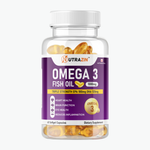
Omega-3 fatty acids are one of the most important supplements for heart health. They help reduce triglycerides, support healthy blood flow, prevent artery blockage, and maintain a stable heartbeat.
Coenzyme Q10 supports energy production in heart muscles and is beneficial for individuals taking cholesterol-lowering medications.
Magnesium helps regulate heart rhythm, relax blood vessels, and control blood pressure.
Vitamin D deficiency is common and has been linked to increased risk of heart disease. Adequate levels support heart and immune health.
Vitamin B-complex, including B6, B12, and folic acid, helps reduce homocysteine levels and supports proper blood circulation.

Natural and Ayurvedic Support for Heart Health
Traditional wellness systems emphasise the use of natural ingredients to maintain cardiovascular balance. Ingredients such as Arjuna bark, garlic, Ashwagandha, and Triphala are known to support cholesterol balance, stress reduction, and circulation when used appropriately.
Conclusion
Heart health is not dependent on a single factor. It is the result of consistent lifestyle choices, balanced nutrition, stress management, and adequate nutrient support. Heart Month serves as a reminder that prevention is always better than treatment.
Taking care of your heart today can prevent serious health complications in the future and improve overall quality of life. A healthy heart supports energy, longevity, and daily well-being.

-
Posted in
Best supplements for heart health, Cardiovascular health, Cholesterol control diet, heart health, Heart health awareness, Natural heart care, Omega 3 for heart health, Symptoms of heart disease